When I first became a homeowner, I assumed a fireplace was fairly simple. I thought that as long as the fire started, the smoke went up the chimney, and the room eventually felt warmer, everything was working as intended.
Over time, I learned that fireplace performance is more complicated than it appears. Draft, airflow, creosote buildup, damper operation, chimney design, and even the temperature outside can affect how well a fireplace works. Scheduling professional Hazlet fireplace service helps homeowners better understand these factors and get more consistent results from their fireplaces.
For homeowners who use their fireplaces regularly, routine service is not only about cleaning. It’s an opportunity to learn how the entire system functions and identify small performance issues that may otherwise go unnoticed.
Proper Airflow is Important
A wood-burning fireplace needs air to support combustion. At the same time, the chimney must create enough upward draft to carry smoke and combustion gases away from the firebox.
Before learning more about fireplace systems, I did not realize how easily this airflow gets disrupted. A tightly sealed home, powerful kitchen exhaust fan, bathroom fan, or even a clothes dryer can affect the air pressure inside the house. When a home develops negative air pressure, the fireplace may struggle to pull air upward through the chimney.
A professional providing Hazlet fireplace service will evaluate whether the chimney is drafting correctly. Homeowners may also receive practical recommendations, such as opening a nearby window slightly when starting a fire or avoiding the use of strong exhaust fans while the fireplace is operating.
The Damper Has a Big Job
The fireplace damper controls airflow through the chimney. It must be fully open while a fire is burning, but it should close securely when the fireplace is not in use.
A damper that is difficult to move, coated with soot, warped, or partially stuck can affect fireplace performance. If it does not open completely, smoke may have trouble moving through the chimney. If it does not close properly, heated or cooled indoor air can escape when the fireplace is not being used.
During a fireplace service appointment, the technician needs to inspect the damper to determine whether it operates properly. Depending on the condition of the component, cleaning, adjustment, repair, or replacement may be recommended.
Learning how the damper worked helped me understand why the area around my fireplace sometimes felt unusually cold during the winter. The fireplace was not in use, but the damper was allowing a noticeable amount of indoor air to move into the chimney.
Creosote Affects More Than Cleanliness
Most homeowners know that creosote collects inside chimneys, but they may not realize that buildup also influences fireplace performance.
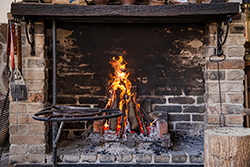
Creosote forms when smoke, vapors, and other combustion byproducts cool and condense against the interior walls of the chimney. The amount produced depends on several factors, including the type of wood being burned, the temperature of the fire, airflow, and the condition of the chimney.
As creosote accumulates, it can gradually restrict the flue. A reduced flue opening may weaken the draft and make it more difficult for smoke to exit efficiently.
Burning damp or unseasoned wood can increase creosote formation. Wet wood produces more smoke, burns at a lower temperature, and releases additional moisture into the chimney.
A thorough Hazlet fireplace service can remove accumulated soot and creosote while giving homeowners a clearer understanding of their burning habits. Using properly seasoned firewood and building hotter, cleaner-burning fires may help reduce future buildup.
Firewood Quality Makes a Difference
I used to assume that any wood sold as firewood was ready to burn. That is absolutely not the case.
Properly seasoned firewood generally contains less moisture than freshly cut wood. Dry wood ignites more easily, burns more efficiently, and produces less smoke. Green or wet wood often hisses, smolders, and creates dark smoke because much of the fire’s energy is being used to evaporate moisture.
Homeowners can improve their fireplace experience by storing firewood in a covered, ventilated location and keeping it elevated from the ground. The sides of the woodpile should remain open enough for air to circulate.
A moisture meter can also help determine whether firewood is ready to use. Splitting a piece and testing the freshly exposed interior usually provides a more accurate reading than checking the outside surface.
Firewood selection may seem unrelated to professional fireplace service, but it plays an important role in how frequently the chimney needs cleaning and how well the fireplace drafts.
Starting the Fire Correctly Improves Draft
Cold air often settles inside an unused chimney. When the fireplace is first opened, that column of cold air may move downward into the house instead of allowing warm smoke to rise.
This is one reason a fireplace may release a small amount of smoke into the room during startup. The chimney needs to warm up before it can establish a strong upward draft.
Using dry kindling and starting with a smaller, hotter fire can help warm the flue more quickly. Some homeowners also warm the air near the damper before lighting the main fire, although any technique involving an open flame should be approached carefully.
A fireplace professional can explain safe startup practices based on the home’s specific fireplace and chimney design. What works well for one system may not be appropriate for another.
Fireplace Efficiency Is Often Misunderstood
A traditional open fireplace creates a comforting atmosphere, but it may not heat a home as efficiently as many homeowners expect.
While the fire produces radiant heat, it also pulls indoor air into the firebox and sends it up the chimney. That air must be replaced by colder outdoor air entering through small gaps, vents, doors, or windows.
This does not mean homeowners should stop enjoying their fireplaces. It simply helps to understand how the system operates and set realistic expectations.
Glass fireplace doors, properly fitted dampers, fireplace inserts, and other improvements may help manage airflow or increase usable heat. However, any modification should be evaluated for compatibility with the existing fireplace and chimney.
Baron’s Chimney Service can help homeowners determine whether their fireplace is operating properly and discuss available options when they want better performance.
Small Changes in Performance Should Not Be Ignored
Fireplace problems do not always appear suddenly. In many cases, the system begins behaving differently over time. A homeowner may notice that fires are harder to start, smoke lingers longer than usual, unusual odors enter the room, or soot collects more quickly around the firebox. These changes can indicate a draft problem, buildup, blockage, damper issue, or another condition that deserves attention.
Paying attention to these changes makes it easier to describe the issue during a service appointment. I found it helpful to note when the problem occurred, what the weather was like, whether exhaust fans were running, and what type of wood was being burned. These details can help a chimney professional narrow down possible causes.
Professional Service Provides Useful Homeowner Education
One of the most valuable parts of hiring a fireplace professional is gaining a better understanding of the system. A knowledgeable technician can explain how the fireplace, damper, smoke chamber, flue, and chimney cap work together. Homeowners can also learn how their fire-building habits, wood storage methods, and household ventilation affect fireplace operation.

Baron’s Chimney Service provides professional Hazlet fireplace service for local homeowners and those throughout New Jersey. Routine Hazlet fireplace service can include cleaning, visual evaluation, performance observations, and recommendations based on the fireplace’s condition.
For me, learning how the system worked changed the way I used my fireplace. I became more selective about firewood, paid closer attention to airflow, and recognized the early signs of poor draft.
Get More from Your Fireplace
A fireplace should be more than a decorative feature that creates frustration whenever it is used. With proper maintenance, dry firewood, good airflow, and informed operating habits, homeowners can enjoy cleaner fires and more dependable performance.
Homeowners who notice smoke, poor draft, unusual odors, difficult damper operation, or excessive soot should consider scheduling a professional cleaning. Contact Baron’s Chimney Service to schedule an appointment for Hazlet fireplace service and learn more about the condition and performance of your fireplace.